
Discover the Story
When Time Stood Still was inspired by the extraordinary true story of my grandmother and the years tuberculosis changed the course of her young life.
While the novel is based on real events, it is a work of historical fiction. I took creative liberties in bringing her story to life and changed the names of the people in the book, while staying true to the heart of my grandmother's remarkable journey.
The sanatorium.
The separation from her children.
The treatments.
The years away from home.
And the remarkable woman who lived through it all.
This is where the fictional names fall away, and I'd like to introduce you to the real woman—and the real people—behind the story.
Meet the Real Martha (Marta)
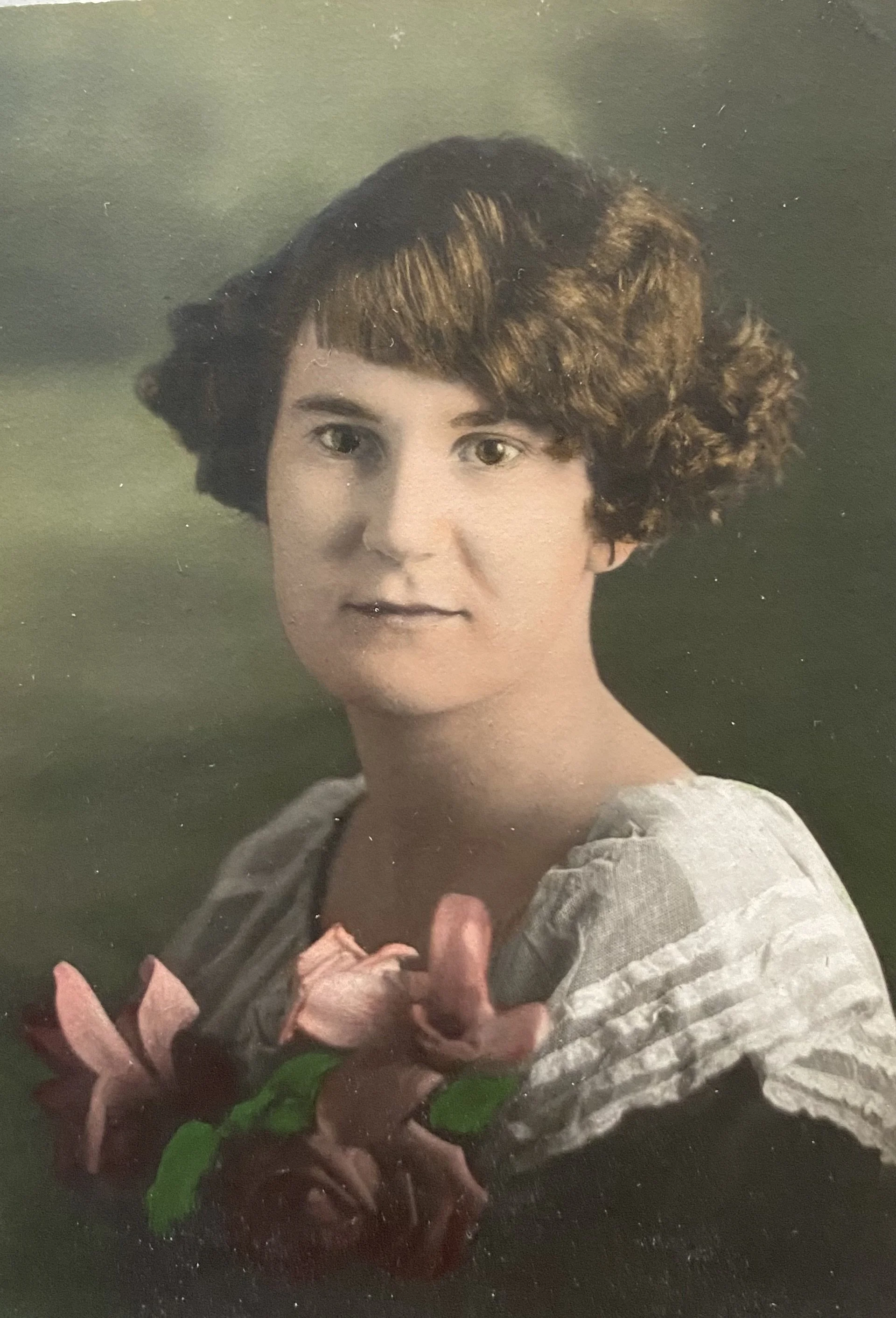
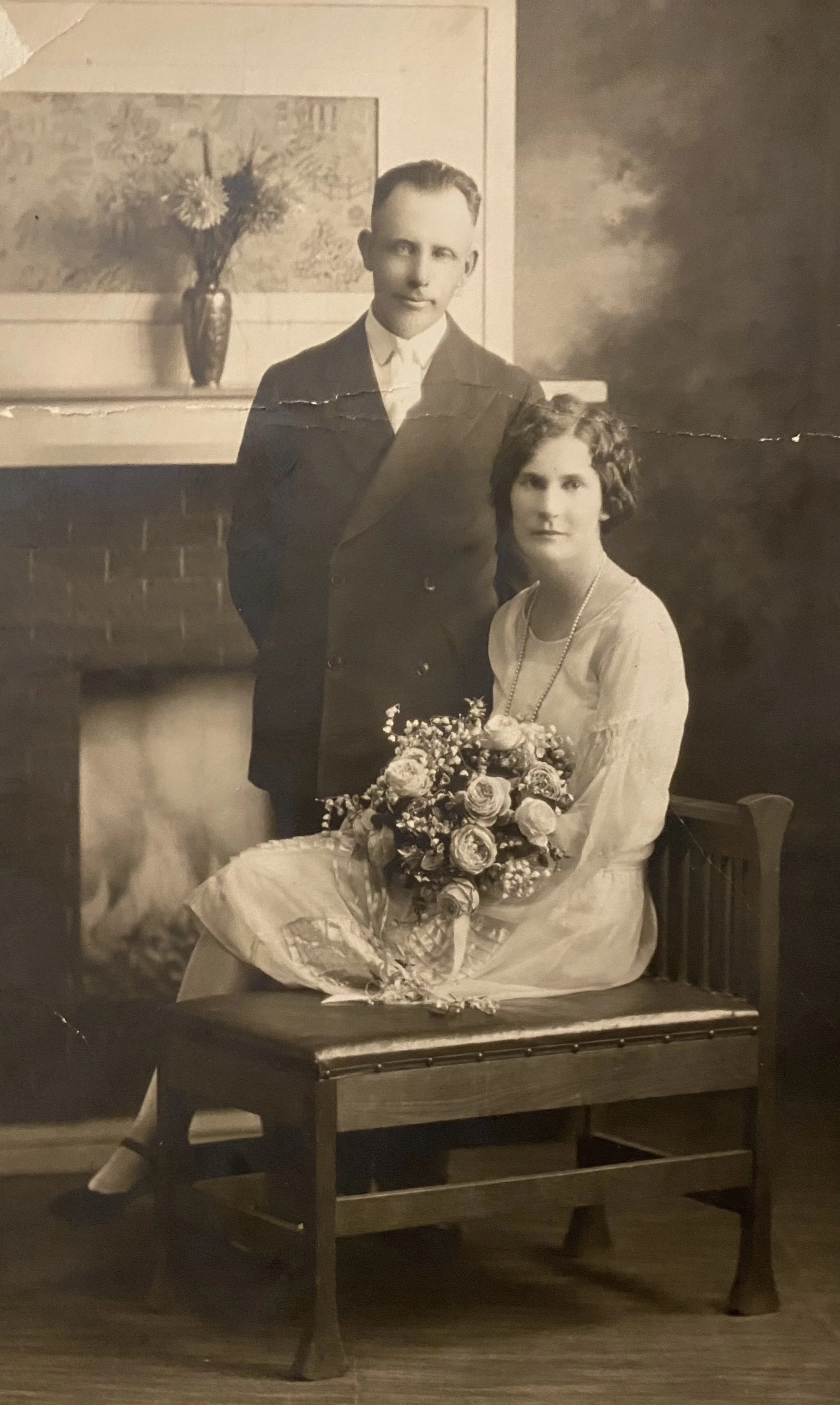
Meet the real inspiration behind my story—my grandma, Martha Olson, and her husband, Robert.
Martha was born Martha Linder in Sweden in 1906, to Ole and Ellen Linder. When she was just a little girl, her family left Sweden and immigrated to Minnesota, eventually making their way north to Canada when Martha was five years old.
It was here in Canada that Martha would grow up, meet Robert Olson, fall in love, marry, and begin building a family of her own.
Like so many young couples, they couldn't have known what the years ahead would bring. They were simply building a life together—raising their boys and looking toward the future.
These paintings offer a glimpse into the places that were part of Martha and Robert’s early life. They were painted by their son, my uncle Roland Olson, from the places and memories he carried with him.
I love that through his artwork, we can step for a moment into the world they once called home.
Places from Their Story
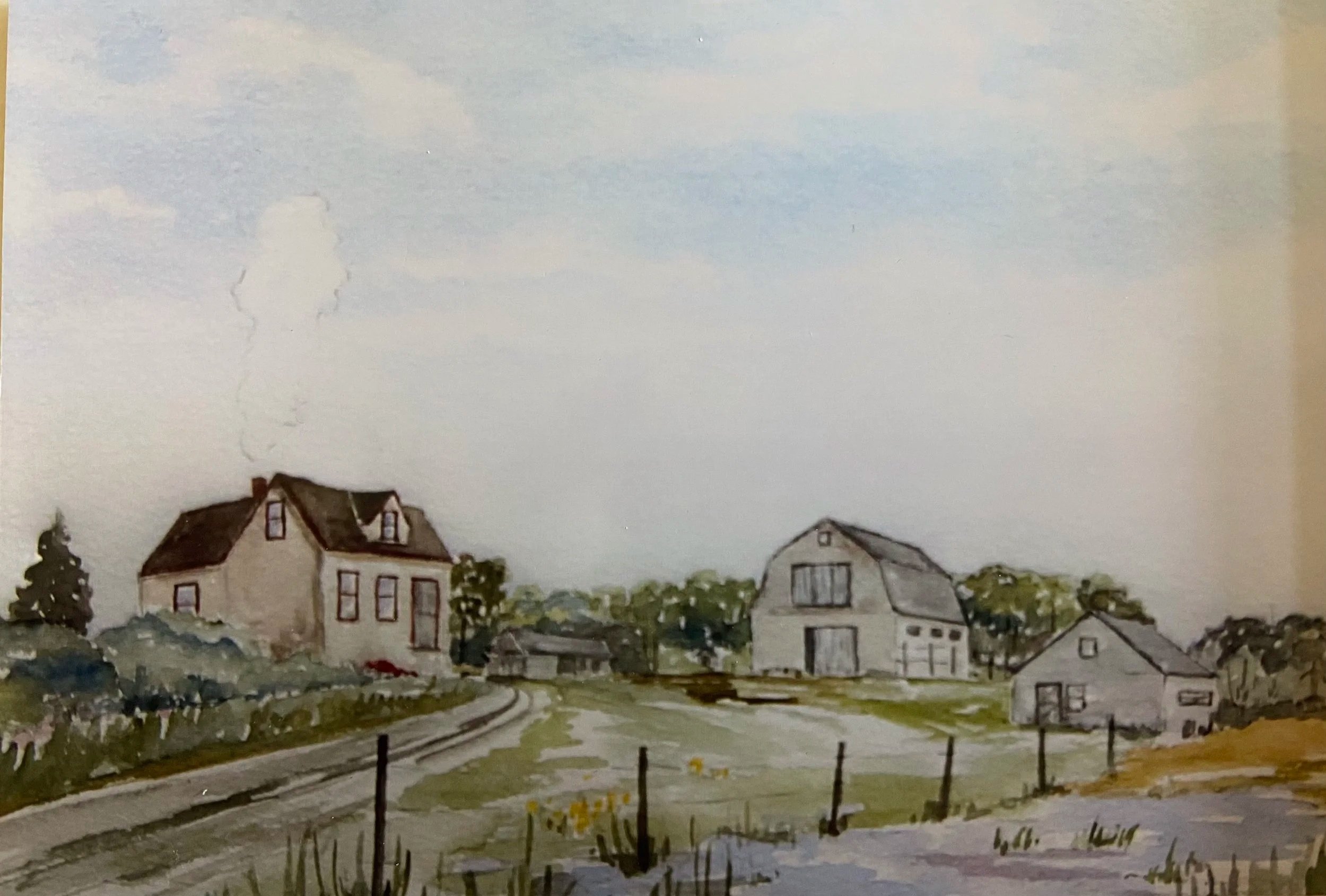
The Linder Homestead - where Martha grew up
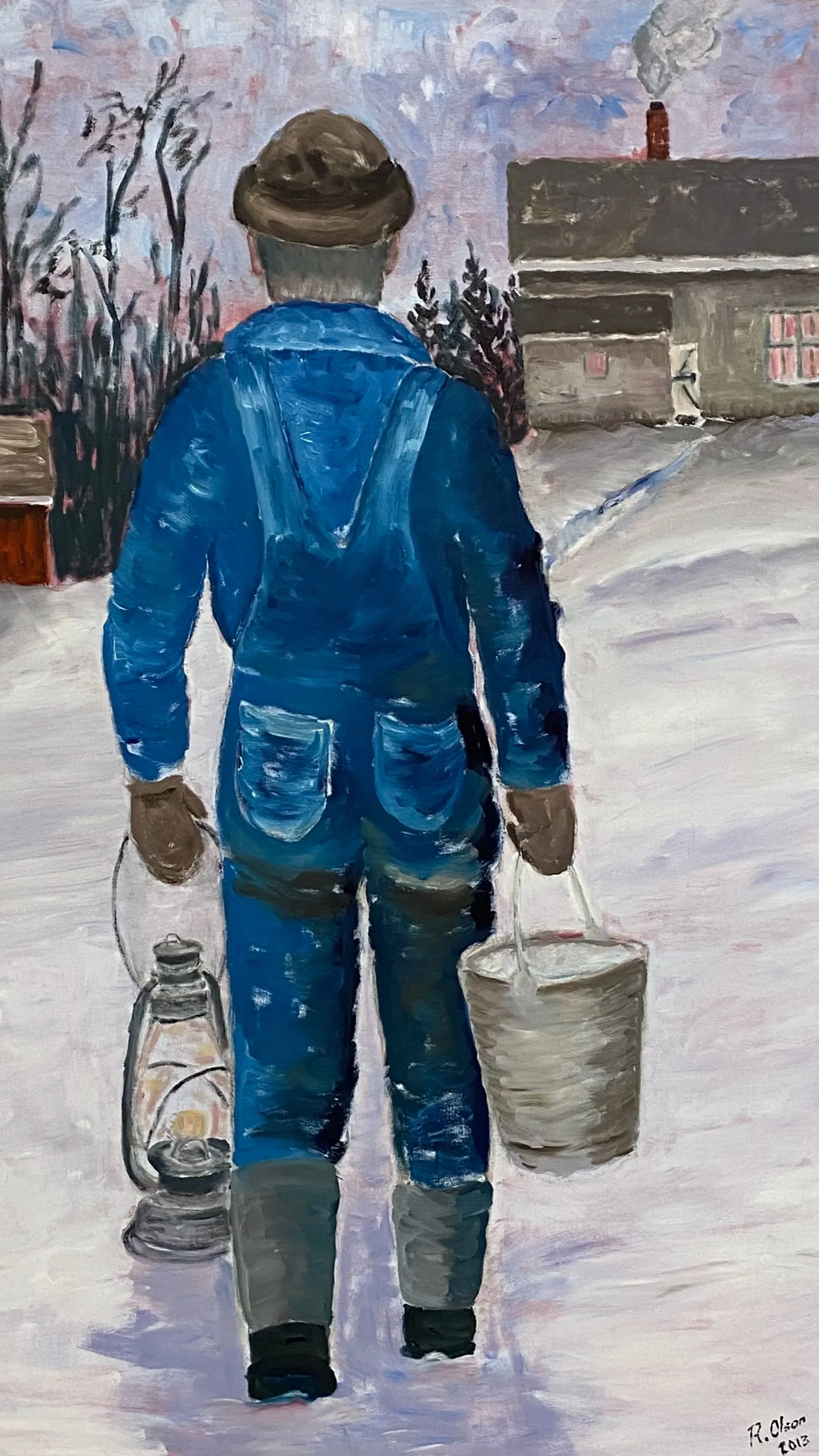
Robert Olson carrying the milk jugs
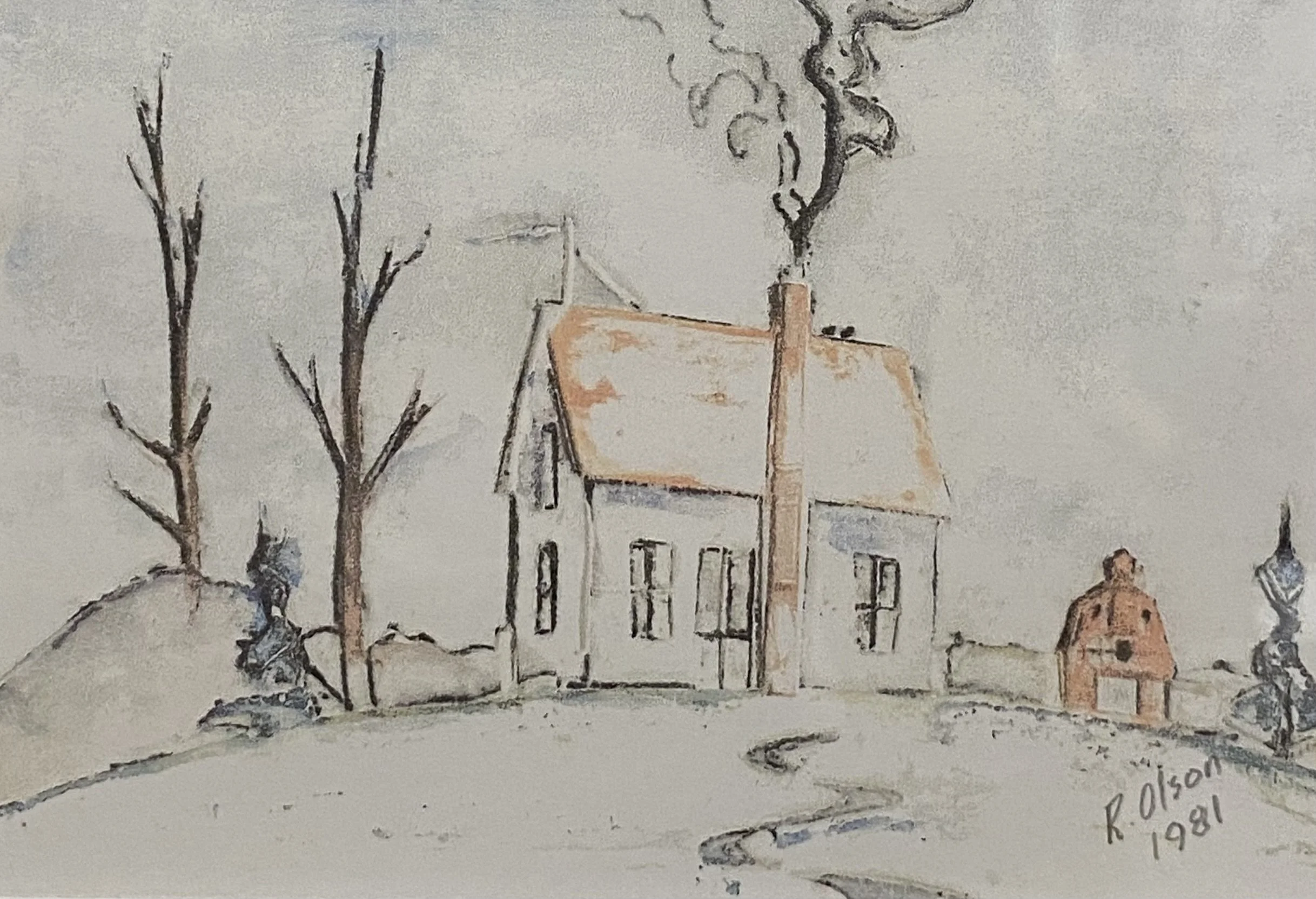
The home of Robert and Martha Olson
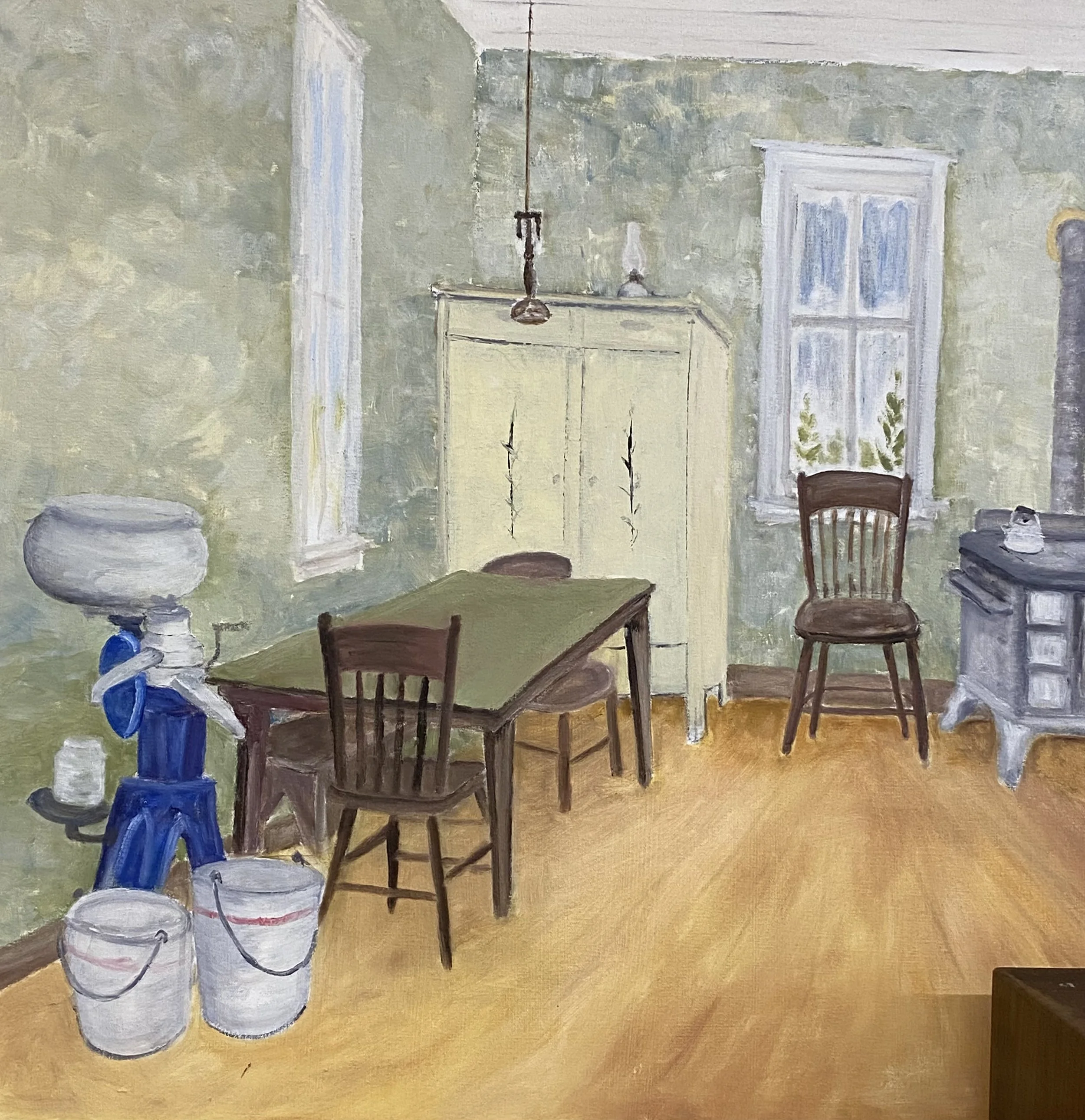
Inside the Olson family home
Original artwork by Roland Olson.
Used with permission.
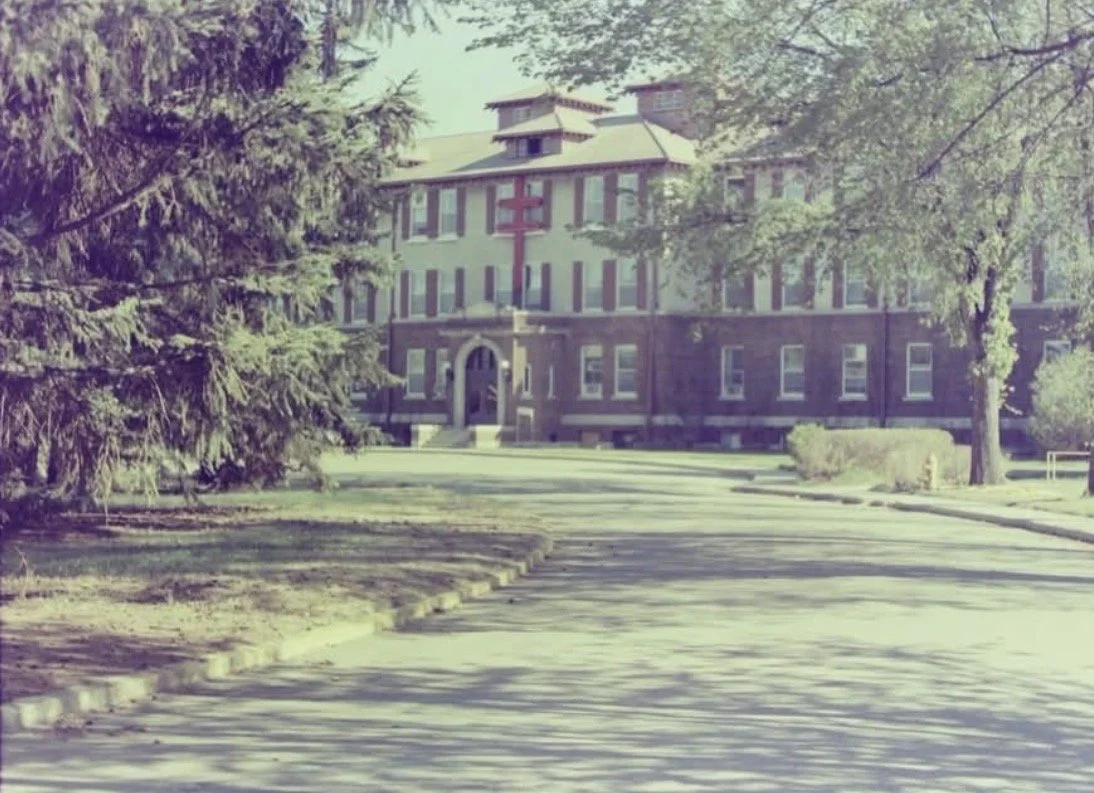
The Saskatoon Sanatorium - where Martha was treated for Tuberculosis
Then in 1935, Everything Changed…
On New Year's Day, 1935, Martha received the diagnosis that would change the course of her life—tuberculosis.
She was only 28 years old, a wife and mother to three young boys, with another baby on the way. At a time when tuberculosis was greatly feared and treatment often meant years of isolation, Martha was admitted to the Saskatoon Sanatorium.
Suddenly, the ordinary life she and Robert had been building was gone. Martha was separated from her husband and children and entered a world of hospital rooms, long periods of bed rest, uncertainty, and treatments that would be almost unimaginable today.
And yet, life continued in the midst of it all.
Life Continued…
Even within the walls of the Sanatorium, life continued. A new baby was born, a family waited, and Martha continued a journey that would test her strength in ways she could never have imagined.
There were difficult years ahead—but there would also be happy days again, when Martha and Robert would once more find themselves surrounded by their family.
The rest of Martha's remarkable journey is the story that inspired When Time Stood Still.
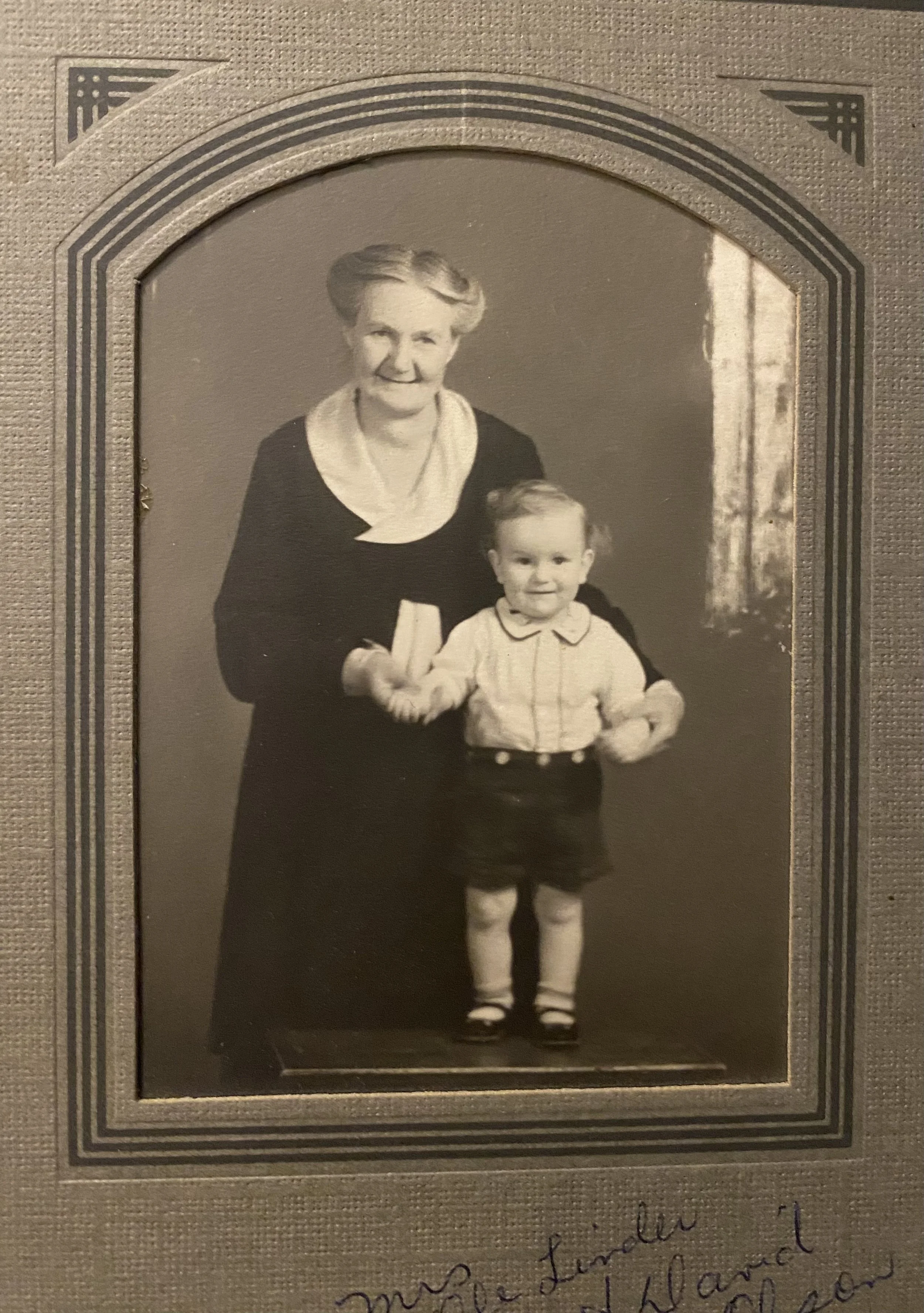
The youngest member of the Olson family with his grandmother, Ellen Linder.
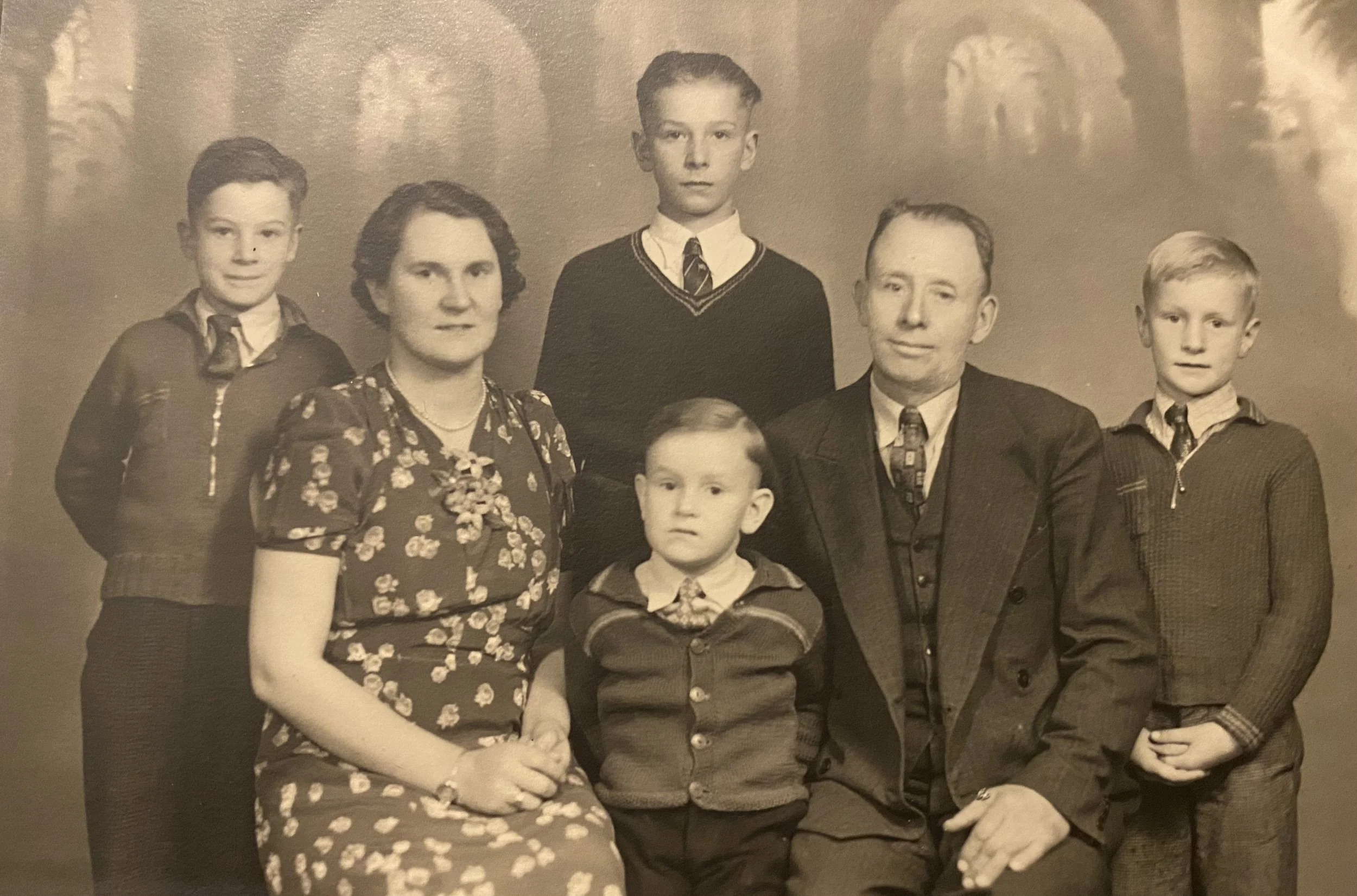
Martha and Robert with their family in happier days.
Why I wrote her story
My grandma was always simply Grandma to me. Growing up, I knew pieces of her story, but I don't think I truly understood the courage and strength it must have taken to live through those years.
She was a young mother with children who needed her when tuberculosis suddenly changed everything. She endured years of separation, uncertainty and treatments that are difficult for us to imagine today. And yet, that chapter of her life did not define the rest of it.
She came home. She raised her family. She watched her children grow and eventually became the grandma I was fortunate enough to know and love.
As I began researching her life and learning more about what she had endured, I knew this was a story I wanted to preserve—not only for our family, but for anyone who has ever faced a season when life suddenly didn't look the way they thought it would.
When Time Stood Still is historical fiction, but at its heart is my grandma's very real story—a story of love, family, courage, faith and the remarkable strength of the human spirit.
Writing this book has been my way of honouring her and ensuring that, generations from now, Martha's story will still be told. ❤️